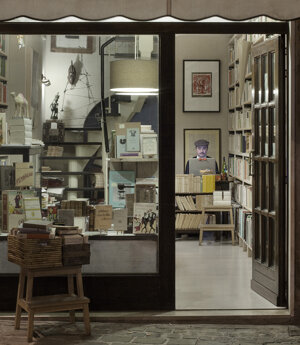
Gastone, Macerata, 2013
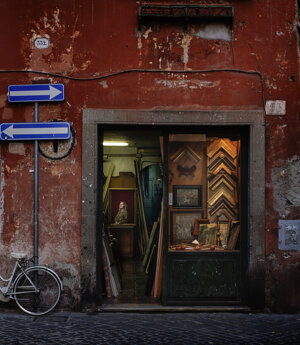
Lisa, Rome, 2016
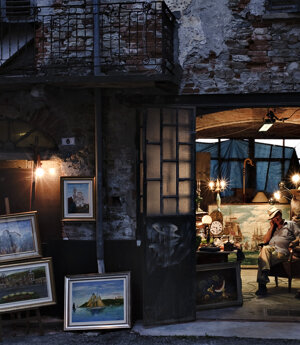
Gustavo, Murazzano, 2015
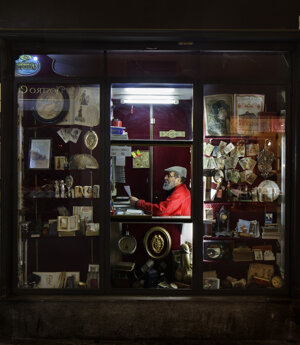
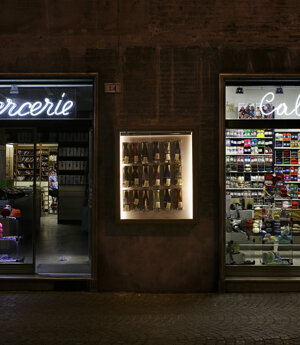
Ariana, Macerata, 2015
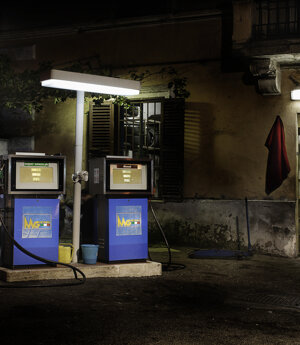
Clark, Rome, 2016
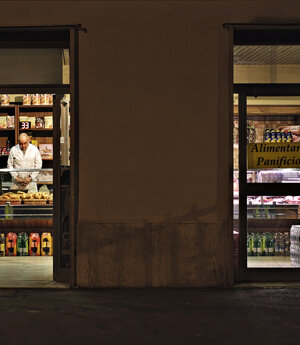
Dino, Rome, 2016
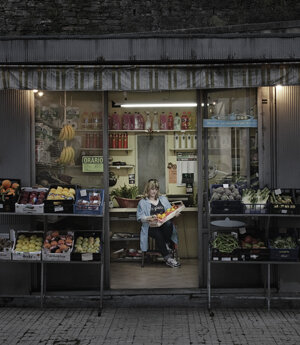
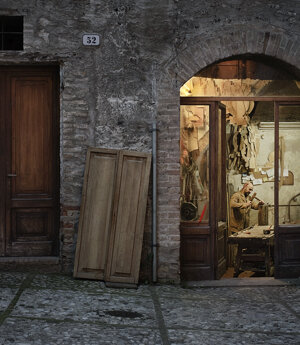
Pino, Spoleto, 2013
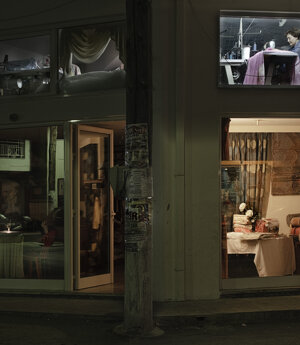
Popi, Karpathos, 2013
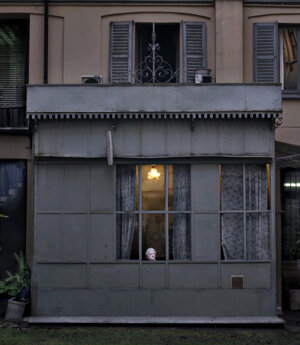
Righetta, Milan, 2014
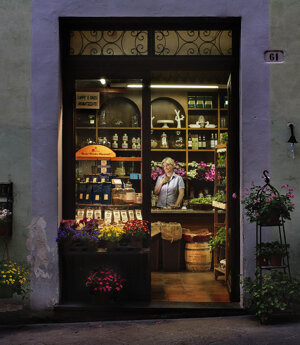
Venusia, Spoleto, 2015
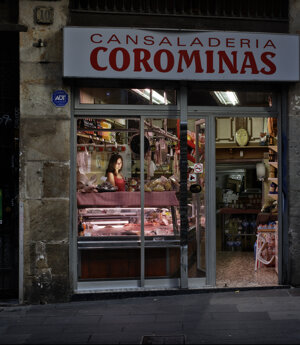
Luna, Barcelona, 2018
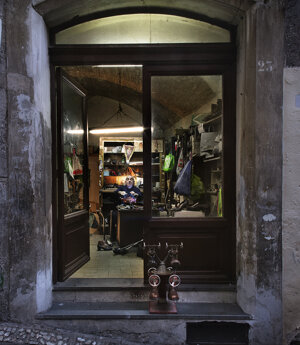
Orfeo, Spoleto, 2015
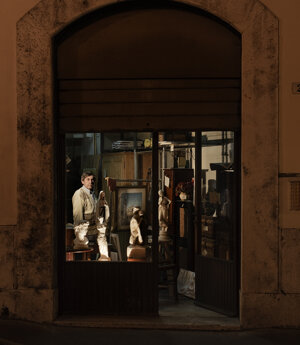
Remigio, Spoleto, 2014
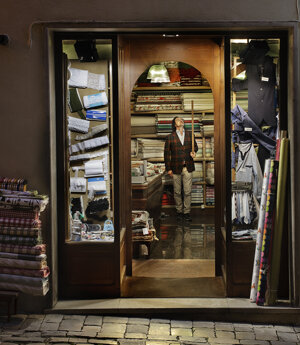
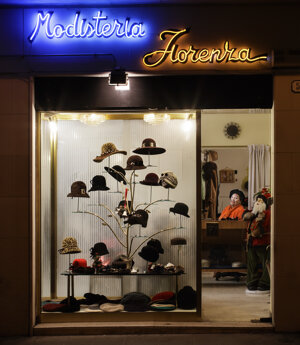
Moira, Padova, 2017
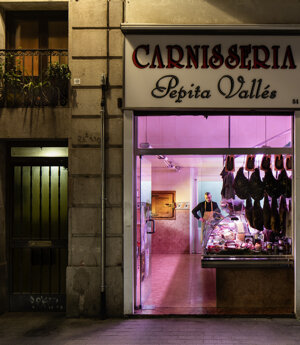
Pepi, Barcelona, 2018
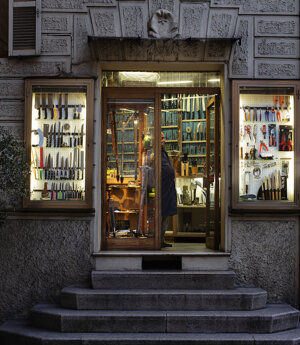
Alfred, Macerata, 2015
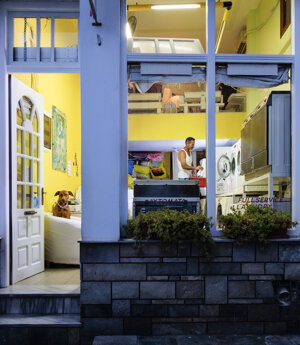
Leo, Skiathos, 2019
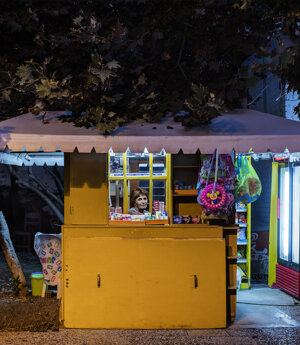
Era, Skiathos, 2019
Heroes
is a photographic project born in 2013 to tell the difficult survival of artisan shops and small family-run businesse to the change imposed by globalization.
Only some of these places, which for generations have handed down their craft, resist characterizing the uniqueness of the urban landscape. Cities are undergoing a continuous process of gentrification, homologating and losing that element of identity that distinguishes and makes each place unique. Old traditional neighborhoods that represent the experience of entire generations of tenants are completely turned upside down. Investors and companies in the construction sector redesign the new geography of the city according to the needs of the emerging bourgeoisie, requiring the construction of modern shops, elegant premises and expensive lofts, luxury Hotels. The inhabitants, due to the increase in the cost of living, are forced to move, while social relationships are wiped out.Similarly, economic activities must adapt to the needs of new inhabitants: in many cases they are forced to close due to the increase in the price of rents and competition, as well as the progressive disappearance of regular customers. From a sociological point of view, Saskia Sassen demonstrates how inequalities are increasingly growing in the global city also due to the absence of religious, ethnic or social communities and relations. (The Global City).
